

Most central air conditioners in Ontario should be planned around a roughly 15-year lifespan. Natural Resources Canada says the life expectancy of a central air conditioner is 15 years or longer. That does not mean every 15-year-old unit must be replaced, but it does mean you should start weighing air conditioner installation options against ongoing repair costs.
The real question is not just how old the unit is. The real question is whether it still cools evenly, controls humidity, starts reliably, and gives you a sensible return on the next repair dollar. In Ontario, long humid stretches, uneven home insulation, and skipped maintenance can all make an older system feel finished before it truly is.
The Short Answer: Plan Around A 15-Year Benchmark
A central air conditioner is not a forever appliance. A practical benchmark is about 15 years, with some systems falling short and others lasting longer when installation, sizing, and maintenance were handled properly from day one. That age range helps you plan, but it is not a verdict by itself.
What matters more is the pattern around that age. A 14-year-old unit that cools properly, runs quietly, and has had only small issues is in a different position than a 10-year-old unit that is noisy, humid, and expensive to keep alive.
Define What “Lifespan” Actually Means
When homeowners ask about lifespan, they usually mean something more practical than a manufacturer timeline. They want to know when the system stops being dependable enough or efficient enough to justify more money. Lifespan is really the point where repair frequency, comfort loss, or operating cost starts tipping the decision toward replacement.
That is why two units of the same age can lead to very different advice. One may still have useful life because it was sized correctly and maintained well. The other may already be on borrowed time because it has been running under strain for years.
This table helps you place your system in the right conversation, whether that is routine upkeep, closer monitoring, or serious replacement planning.
| System Age | What It Usually Means | Best Next Step |
| 0 To 8 Years | Usually mid-life if installed and maintained well | Maintain it and fix isolated issues |
| 9 To 12 Years | Still often repairable, but patterns matter more | Track comfort, runtime, and repair cost |
| 13 To 15 Years | Common replacement planning window | Compare repairs against replacement value |
| 15+ Years | End-of-life discussion becomes more likely | Replace if reliability, comfort, or cost is slipping |
This is where homeowners often get stuck. They want a hard line. HVAC rarely works that way. The smart move is to pair age with symptoms, repair history, and how the house actually feels.
Here is the catch: age matters, but age alone does not decide the call.
Some systems die young because they were oversized, neglected, or pushed hard in a leaky home. Some last well past the benchmark because they were installed carefully, maintained consistently, and not forced to work against basic airflow problems.
What Affects How Long A Central Air Conditioner Lasts?
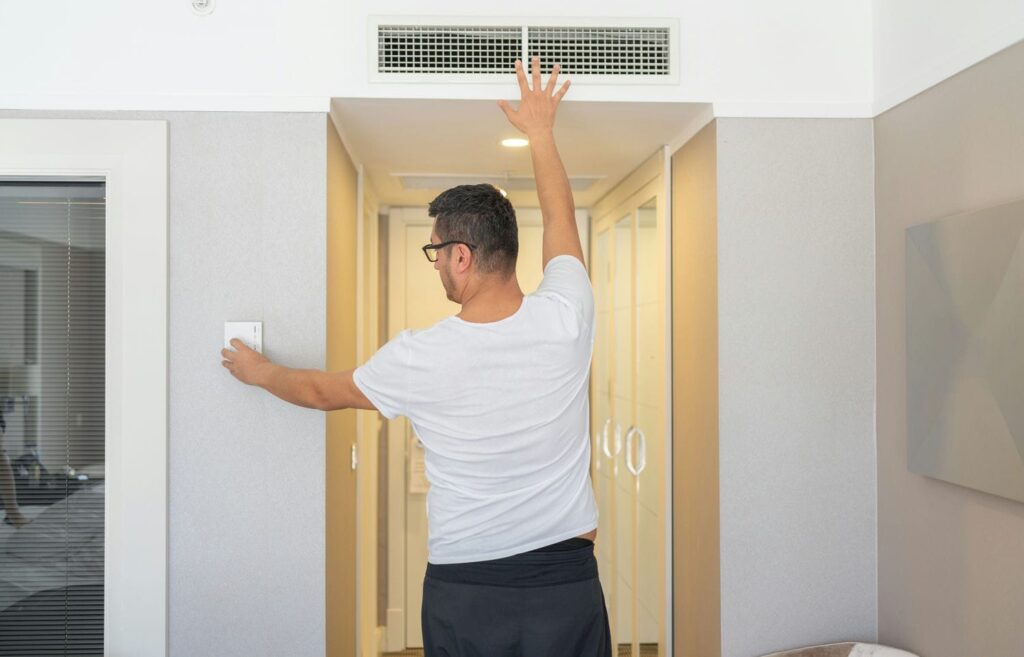
The biggest lifespan drivers are not mysterious. They are usually the same few things over and over: how the system was selected, how well it breathes, how hard it runs, and whether small issues were fixed while they were still small.
That is good news for homeowners. It means lifespan is not pure luck. You cannot control everything, but you can understand what wears a unit out faster and avoid mistakes that shorten its life for no good reason.
Installation Quality And Sizing
A central air conditioner lasts longer when it is matched properly to the house. That includes the right cooling capacity, proper airflow, correct refrigerant charge, and clean setup of the indoor and outdoor equipment. A load calculation is the process of matching the unit to your home’s size, insulation, windows, and air leakage. When that step is rushed or guessed, problems show up later as humidity issues, short cycling, uneven cooling, and extra wear.
Oversized systems are a common example. They can cool fast on paper but often shut off too soon, which means poorer dehumidification and more start-stop stress. Undersized systems have the opposite problem. They run long, struggle on hotter days, and wear themselves down trying to catch up. Knowing how to choose the right size air conditioner for your home before purchase can prevent years of avoidable wear.
Maintenance And Airflow
A central AC can only last well if air moves through it the way it was designed to. Dirty filters, blocked coils, drainage issues, and neglected tune-ups all add drag to the system. The unit still runs, but it runs harder, hotter, and less cleanly than it should.
Natural Resources Canada’s equipment maintenance guidance advises annual service for heating and cooling systems and recommends following the manufacturer’s cleaning and servicing procedures. That matters because airflow and cleanliness problems tend to compound slowly, then show up all at once as weak cooling, rising bills, and premature part failure.
How Hard The System Runs In The Real World
The same air conditioner will age differently from one home to the next. A tight, well-insulated house with decent shade places a different load on cooling equipment than an older home with air leakage, strong afternoon sun, and rooms that never seem to balance properly. The unit does not know the sticker on the box. It only knows the workload.
Thermostat habits matter too. So does indoor humidity. So does whether the system is constantly fighting dirty ductwork, blocked return air, or a home that simply loses cool air too fast. When homeowners say, “It seems to run all the time,” they are often describing the exact condition that speeds up wear.
Electrical And Refrigerant Problems
Electrical stress shortens lifespan quietly. Hard starts, weak capacitors, contactor problems, and repeated breaker trips all force the system to work under strain. The same goes for refrigerant issues. When a system is low because of a leak, it is not just less effective. It is working in a condition it was not built to tolerate for long.
These problems do not always cause immediate failure. More often, they shave life off the system a little at a time. That is why older ACs sometimes seem to “suddenly” fail after years of being merely inconsistent. The warning signs were there. They just looked small until they stacked up.
Signs Your Central AC Is Getting Near The End Of Its Life
Most air conditioners do not fail cleanly. They decline in a pattern. The trick is spotting that pattern early enough to make a calm decision instead of a panicked one.
You are looking for drift, not just breakdown. That means more repairs, weaker comfort, harder summer operation, and a growing gap between what the system costs and what it gives back.
Repairs Are Becoming More Frequent
One repair does not mean a system is done. Older ACs can still justify a sensible fix, especially if the rest of the system is stable. The problem starts when repairs stop feeling isolated and start feeling familiar. This spring it is a capacitor. Mid-summer it is a drain issue. Next season it is something else.
That pattern matters because recurring breakdowns usually point to broader aging, not bad luck. Once repair calls become part of the normal summer routine, you are no longer maintaining a dependable system. You are managing decline.
It Still Runs, But Comfort Keeps Slipping
This is one of the clearest end-of-life signals. The system still starts. Cool air still comes out. But the house never quite feels right. Rooms drift apart in temperature, humidity stays sticky, and the system runs longer without giving you the result it used to.
That gap between operation and comfort is important. A working AC is not necessarily a healthy AC. If it runs but no longer controls the house properly, the issue may be age-related loss in performance, not just a one-off repair item.
Your Hydro Bills Are Climbing Without Better Comfort
Higher summer hydro costs are not proof by themselves, but they are a useful clue. If the bill is rising while comfort stays flat or gets worse, the system may be running longer and less efficiently to produce the same result.
Older equipment can still cool, but often at a higher operating cost when wear, dirt, or declining performance are in the mix. That does not automatically mean replace it today. It does mean you should stop viewing the problem only through the lens of repair price.
It Sounds Rougher Or Struggles On Hot Days
Older ACs often get louder before they fail. Start-up sounds get harsher. Vibration gets more noticeable. Runtime gets longer on humid afternoons, and recovery after a thermostat setback takes longer than it used to.
Hot days expose the truth. If the system used to hold the house fine and now falls behind whenever summer gets serious, that is worth paying attention to. Peak demand is when aging equipment shows its limits.
Parts, Refrigerant, Or Support Are Becoming A Headache
Sometimes the issue is not one major failure. It is that repairs become slower, less predictable, or harder to justify because of parts availability, repeated service needs, or the growing mismatch between repair cost and remaining lifespan.
When the support side starts feeling messy, the ownership experience changes. You are no longer just fixing an air conditioner. You are working around an aging system that keeps asking for patience.
Repair It, Or Start Planning Replacement?
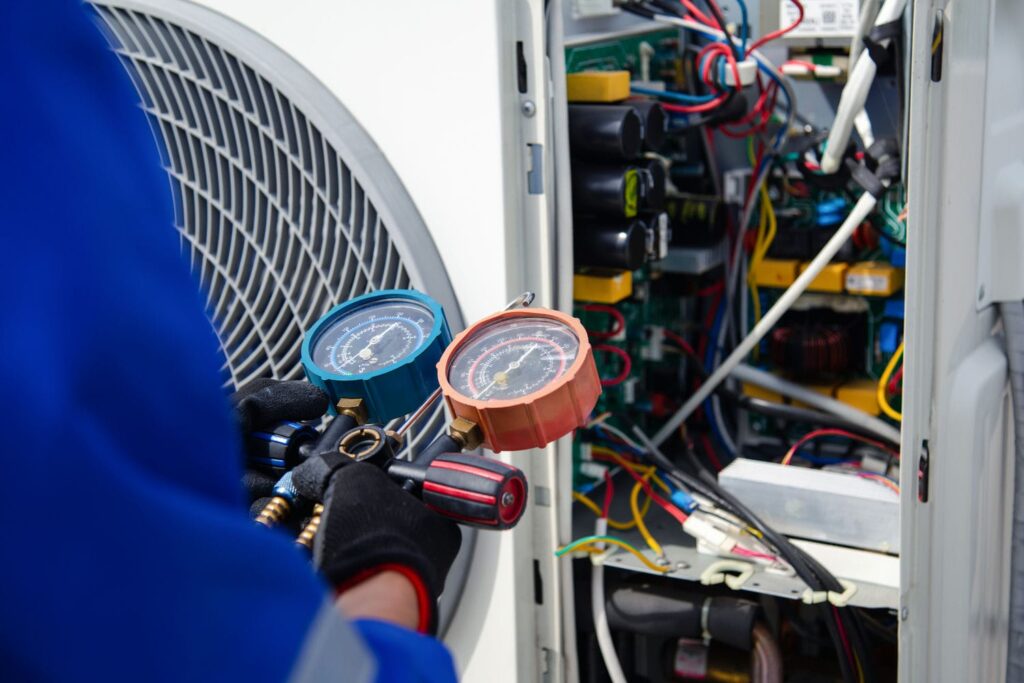
This is the part homeowners really care about. Not the abstract lifespan number, but whether the next repair is smart money or delay money.
There is no universal rule that fits every home. There is, however, a clean way to think about the decision so it is based on value, not just frustration.
Use A 3-Part Filter
Start with age. The closer the system is to the 15-year planning mark, the less future value any repair is likely to buy. Then look at repair cost. A small, isolated repair is different from spending serious money on an older unit with recurring problems. Finally, look at performance. If comfort is falling, humidity is staying high, and the unit sounds tired, the system is telling you more than the invoice is.
This 3-part filter works because it cuts through wishful thinking. Homeowners often focus only on the current repair amount. That is understandable. But the better question is what that spend actually gets you over the next few seasons.
A repair can still make sense on an older unit. It stops making sense when the repair buys very little remaining life, very little comfort improvement, or both. That is the threshold most people are trying to find.
Natural Resources Canada notes that a central air conditioner has a life expectancy of 15 years or longer and suggests replacement deserves attention when an older unit starts giving trouble. That lines up with how this decision usually plays out in the field. Trouble plus age is what changes the conversation.
Replacement feels harder to face when you are only looking at the immediate invoice. It gets clearer when you compare that repair against the total air conditioner cost and installation in Ontario over the next several years. A cheaper repair is not automatically the cheaper path if it leaves you with poor comfort, another likely breakdown, and a bigger bill later.
How To Help Your Central AC Last Longer
You cannot make any AC last forever. You can, however, help it reach a reasonable lifespan without getting there the hard way.
The theme is simple: reduce strain, protect airflow, and do not ignore early signals. Small habits tend to matter more than homeowners think.
Book Maintenance Before Peak Cooling Season
Pre-season maintenance gives you the best chance of finding problems before the first real heat wave. That is when you want to catch drainage trouble, dirty coils, electrical wear, or weak airflow, not after the unit has been pushed hard for three straight weeks.
Natural Resources Canada recommends annual maintenance for heating and cooling equipment, and its home maintenance guidance also points homeowners toward regular filter inspection and manufacturer-recommended servicing. That advice is boring in the best way. It prevents avoidable wear.
Change Filters On Schedule
Filters are small, but the effect of a neglected filter is not. When airflow drops, the whole system pays for it. Cooling performance slips, runtime stretches, and parts work harder to move less air.
The exact timing depends on the home, the filter type, pets, dust load, and whether anyone in the house has respiratory sensitivities. The point is not chasing a perfect calendar reminder. The point is preventing the system from living under avoidable restriction.
Keep The Outdoor Unit Clean And Clear
The outdoor unit needs room to reject heat. If it is packed in by debris, weeds, or seasonal buildup, performance suffers. Homeowners do not need to overcomplicate this. Basic clearance, a clean area around the unit, and attention after storms or heavy yard growth go a long way.
This is also where visual checks help. Bent fins, heavy dirt, or obvious blockage do not always mean failure, but they do tell you the system is not working in ideal conditions.
Deal With Small Issues Early
Weak airflow, odd noises, water where it should not be, or a thermostat that seems out of sync are easy to put off. That is exactly why they become bigger problems. Small issues often signal strain, and strain is what shortens lifespan.
Do not wait for a total loss of cooling to take the system seriously. The earlier you catch a real problem, the more likely it is you can fix the cause instead of paying for the consequence.
When Replacement Makes More Sense In Ontario

There is a point where replacement stops being an emotional decision and becomes a practical one. That point usually arrives when age, repair pattern, and comfort decline all line up at the same time.
Ontario homeowners often hit that moment during humid weather, when an older AC can still run but no longer keeps the home consistently comfortable. That is when the cost of waiting rises, even if the unit has not fully failed yet.
Replacement Makes Sense When Age, Repair Pattern, And Comfort Problems Line Up
If your system is older, increasingly unreliable, and no longer keeping the home comfortable, replacement deserves a serious look. Not because newer is always better, but because the old system is no longer doing its core job well enough to justify ongoing investment.
This is where the best decisions are usually made a little early, not a little late. Planning replacement before a peak-season failure gives you more time to compare options, avoid rushed sizing decisions, and think about the house as a whole.
The Upside Is Not Just Avoiding Breakdowns
A replacement decision is not only about avoiding the next service call. It is also about getting back the parts of comfort that fade so gradually many homeowners forget what good cooling feels like. Quieter operation, steadier room temperatures, better humidity control, and more predictable summer performance all matter.
That is especially true if your current unit has been underperforming for years. Many homeowners think they are replacing a machine that still mostly works. In reality, they are replacing years of compromise.
Some Homes Should Compare AC Replacement Against A Heat Pump Upgrade
Not every aging AC should be replaced with another AC automatically. Some homes should compare a standard AC replacement against a heat pump installation, especially when the homeowner wants one system that handles cooling and a meaningful share of heating as well.
Natural Resources Canada describes heat pumps as a proven and reliable technology in Canada for year-round comfort, and Ontario’s home energy guidance points homeowners toward current energy-saving choices when weighing upgrade paths. That does not mean a heat pump is right for every house. It does mean it is worth comparing before you default to a like-for-like AC swap.
Know When To Repair Or Replace Your AC With Confidence
If your AC is getting older and you are tired of guessing, the smart move is to compare repair value against replacement value before the next heat wave makes the decision for you. We have been serving homeowners here for over 10 years, we are an Authorized Lennox Dealer, and we have offices in Kitchener and Waterloo. We are also a HomeStars Best of Award winner five years in a row, which matters when you want straight advice instead of a rushed sales pitch.
Frequently Asked Questions
A practical planning benchmark is about 15 years, and Natural Resources Canada says the life expectancy of a central air conditioner is 15 years or longer. Some systems last beyond that, but age should always be weighed against performance, comfort, and repair pattern.
It is no longer early-life equipment, but it is not automatically replacement time. At that age, the better questions are whether it cools properly, controls humidity, and has started to need repairs more often than it should.
Yes, some do. The real issue is whether it still cools efficiently and reliably enough to justify keeping it. A 20-year-old unit may still run, but that does not always make it the right long-term choice.
Poor sizing, skipped maintenance, restricted airflow, electrical stress, and unresolved refrigerant problems are some of the biggest wear drivers. Most lifespan problems are not caused by one dramatic event. They come from years of strain that add up.
Yes. Natural Resources Canada recommends annual maintenance for heating and cooling equipment, and that matters because service visits often catch airflow, drainage, coil, and electrical issues before they grow into larger problems.
Repairs stop making sense when the unit is older, the system is no longer comfortable or efficient, and the next repair buys very little remaining life. That is usually the point where replacement deserves a real comparison instead of one more patch.
Sometimes, yes. Replacing proactively can help you avoid a peak-season emergency, make a calmer sizing decision, and compare AC and heat pump options properly instead of buying under pressure.