
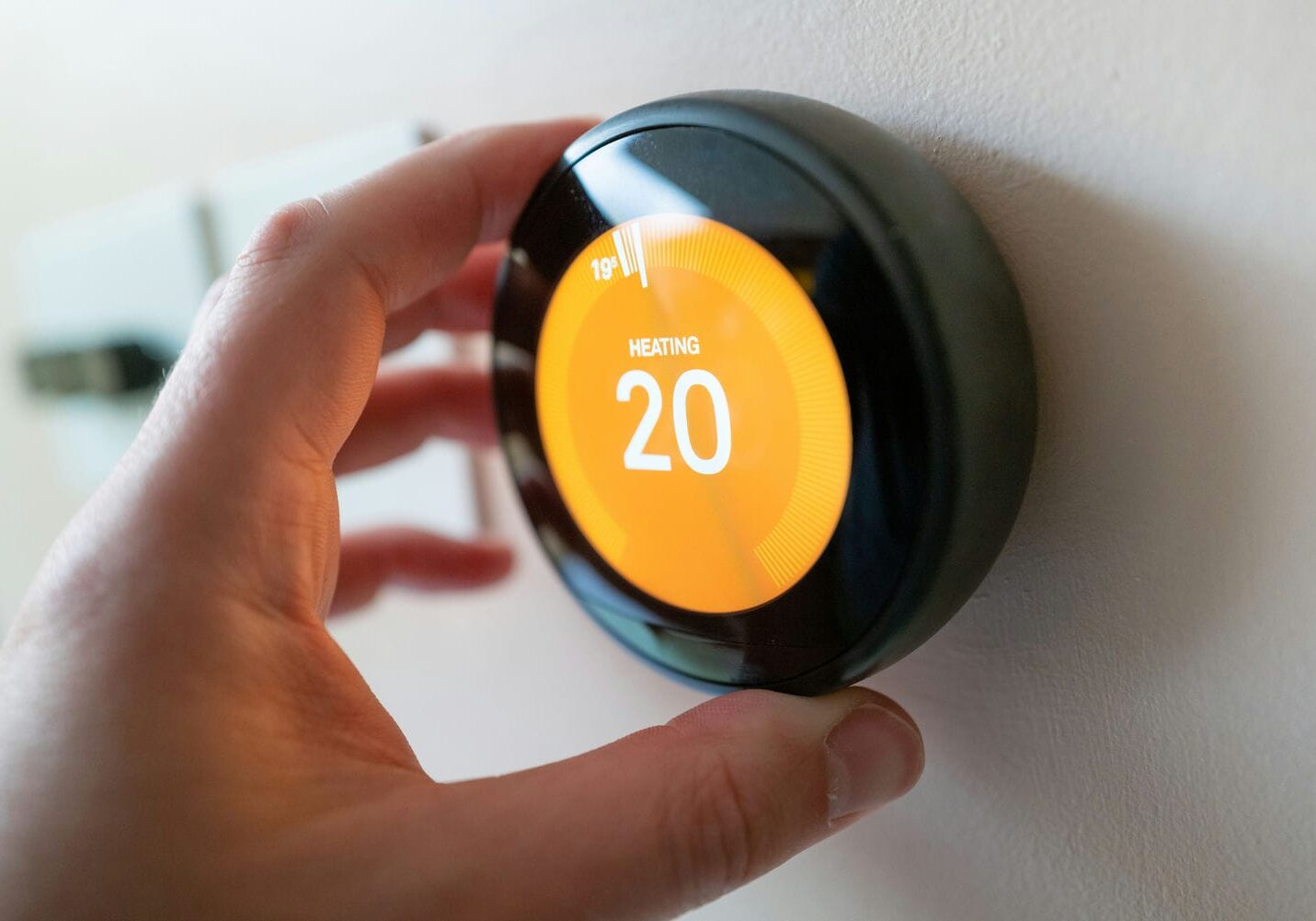
If your furnace is running but your home will not reach the thermostat setpoint, one of two things is happening: your home is losing heat faster than the system can deliver it, or the furnace is not delivering full heat because of airflow, controls, or a safety issue. A proper furnace repair diagnosis will tell you which one you are dealing with.
Here’s the catch: cranking the thermostat up usually does not fix the root cause. It often just makes the furnace run longer, which can trigger lockouts if the system is already stressed.
The 7 Most Common Reasons You Can’t Reach Setpoint
“Setpoint” is the temperature you set on the thermostat. If the house cannot reach it, you’re usually dealing with one of these.
- Thermostat settings or schedule are working against you
- Fan is set to On, so the house feels cooler and the system behaviour gets harder to read
- Dirty filter or blocked returns are reducing airflow and forcing safety shutdown behaviour
- Short cycling means the furnace never runs long enough to recover
- Heat output problem: burners do not stay lit, or the system is not actually heating consistently
- Duct distribution problem: some rooms heat, others lag badly
- Heat loss problem: drafts, insulation gaps, and cold air leakage, especially during extreme cold snaps
A quick way to avoid the wrong rabbit hole is to confirm you are actually getting heat. If air is moving but it never warms, you are likely dealing with an issue where your furnace is running but not producing heat, not a setpoint issue.
What “Not Reaching Temperature” Actually Means
When people say “my furnace can’t hit temperature,” they can mean a few different things. Some homes fall behind only overnight. Some never catch up, even after hours. Some hit setpoint in the living room while bedrooms stay cold.
You’ll get to the right fix faster if you describe the pattern, not just the frustration. That’s also how you avoid paying for the wrong repair.
Falling Behind Vs Never Catching Up
Falling behind usually looks like this: the furnace runs longer than normal, but the thermostat still creeps down during the coldest hours. It may recover later in the day when outdoor temperatures rise or sun hits the home.
Never catching up is different. The furnace can run for hours and the thermostat barely moves, or it stalls 1–3 degrees below setpoint and stays there. That pattern often points to a capacity issue, an airflow issue, or a heat cycle issue that needs diagnosis.
A big red flag is change. If the home used to hold temperature and suddenly cannot, treat it as a fault until proven otherwise.
Why The Thermostat Number Can Mislead You
The thermostat only measures the air where it sits. If it’s in sunlight, near a supply register, near the kitchen, or in a draft, it can read warmer or cooler than the rest of the home. That can make you think the furnace is weak when the real problem is placement or air movement.
It also matters how you drive it. Large setbacks and big recovery jumps can expose a marginal system. You are asking for a fast climb right when the home is losing heat fastest. The thermostat number is a clue, not a diagnosis.
Safe Checks To Do First

Do these checks before you assume you need a new furnace or before you start resetting things repeatedly. They are homeowner-safe, and they catch the common causes that stop homes from reaching setpoint.
Keep your goal simple. You want steady heat delivery and predictable airflow.
Step 1: Set Thermostat To Heat, Fan To Auto, Hold A Steady Setpoint
Set the thermostat to Heat and set the fan to Auto. Then hold a steady setpoint for at least 30–60 minutes so you can observe real system behaviour. Fan On can circulate air when the furnace is not heating, which often makes the home feel cooler and hides the true heating pattern.
Avoid “yo-yo” thermostat changes while you test. Big jumps up and down create confusing results and can trigger short cycles.
If the house starts recovering once you switch to fan Auto and hold steady, you likely found a controls or usage issue.
Step 2: Check Your Thermostat Schedule And Setbacks
Look at your schedule. If you drop the temperature overnight and then ask for a large jump in the morning, your system may struggle to recover during peak heat loss hours. That does not always mean the furnace is broken, but it can reveal a system that is already close to its limit.
Try a smaller setback for a few days and see if the home holds setpoint more consistently. You are aiming for stability, not dramatic temperature swings.
If the schedule is aggressive and comfort is poor, the schedule may be the problem you can fix today.
Step 3: Replace An Obvious Dirty Filter And Clear Return Air Paths
Airflow is the foundation of heat delivery. If the filter is clogged or return air is blocked, the furnace cannot move enough air across the heat exchanger. That can reduce the heat you feel at the vents, and it can also trigger overheating protection that interrupts heating.
Replace a visibly dirty filter and make sure return grilles are not blocked by rugs, furniture, or storage. Also avoid closing a bunch of supply vents to “push heat” to one room. That usually increases static pressure and makes distribution worse.
If the furnace starts running longer and the home warms more evenly after airflow fixes, you were likely dealing with restriction, not a capacity shortfall.
Step 4: Check Supply And Return Basics Room By Room
Walk the home and check the basics. Make sure key supply vents are open and not covered by furniture. If you have rooms with closed doors and no dedicated return, try leaving doors open during recovery to improve air circulation back to the furnace.
Uneven heating often comes down to distribution, not furnace output. A furnace can be producing heat while certain rooms still lag because air cannot get in and out of them properly.
This room-by-room check is also a great way to spot a “new problem,” like a return that got blocked after a furniture change.
Step 5: Watch One Full Heat Cycle And Note The Pattern
Observe one full call for heat. Does the furnace run continuously trying to recover, or does it run in short bursts? Do you ever feel warm air at the vents, even briefly? Does the furnace shut down abruptly, then restart soon after?
These details matter because they separate “can’t keep up” from “won’t run properly.” A furnace that runs steadily but cannot catch up points toward capacity, airflow, or heat loss. A furnace that cycles rapidly points toward short cycling or a safety trip.
Write down what you see. You are collecting evidence, not guessing.
Step 6: Look For Blink Codes And Don’t Keep Resetting
Most furnaces have an LED status light visible through a small viewing window on the blower door. If the furnace is tripping a safety or locking out, you may see a blink pattern. Take a photo or short video of it.
Resetting can clear a temporary lockout, but it can also deepen lockouts if you keep doing it. Reset once at most. If the fault returns quickly, stop and call for service.
If the furnace is not actually running at all, you are in a different symptom path. This page assumes the furnace runs but cannot reach setpoint.
Pattern Diagnosis: What Your Furnace Behaviour Is Telling You
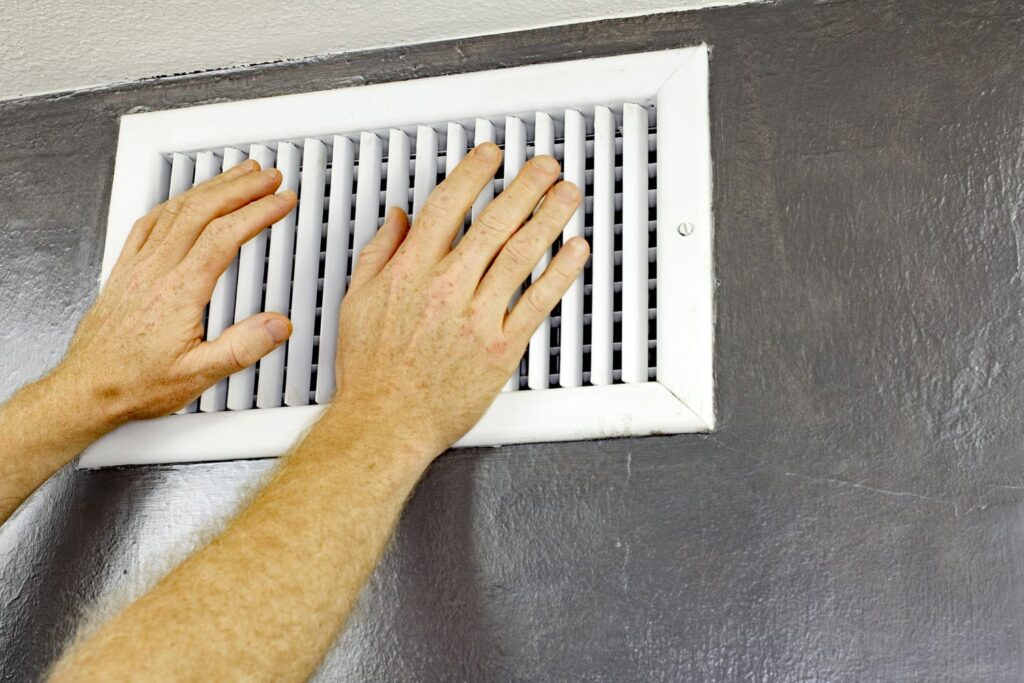
Once you’ve done the safe checks, the “pattern” tells you what category you’re in. That category is what determines whether you should adjust settings, improve airflow, or book a repair visit.
You don’t need special tools to notice the pattern. You just need to pay attention for one hour.
It Runs Constantly But Still Can’t Reach Setpoint
If the furnace runs for long stretches and the thermostat barely moves, you may be dealing with heat loss, low delivered airflow, or reduced heat output. This is common during extreme cold, but it should not be normal every winter day. If this is new, treat it as a fault.
At this point, the next step is usually measurement: temperature rise, airflow indicators, and heat cycle stability. That tells you whether the furnace is producing full heat and whether the duct system is moving it.
If the pattern does not match anything in the safe checks, a furnace repair visit that measures temperature rise and airflow will give you a clear answer faster than continued trial and error.
It Warms A Bit, Then Falls Behind Again
This pattern often points to intermittent interruptions in heating. The furnace may start strong, then hit a limit trip due to airflow stress, or cycle off and on without delivering steady heat. It can also happen when thermostat scheduling fights the system with repeated setbacks and recoveries.
If you see frequent on-off behaviour, furnace short cycling becomes a likely cause. Short cycling reduces effective heating time and often prevents setpoint recovery.
If the pattern repeats after you correct filter and return airflow, stop troubleshooting and book service. Repeated interruptions are not a “wait it out” problem.
Air Is Moving But It Never Feels Warm
If you have airflow but it never warms during a call for heat, the furnace may not be producing heat consistently. That is not a “setpoint” problem first. That is a “heat cycle” problem.
If air is moving but the temperature never rises during a heat call, you may have a situation where the furnace is running but not heating the air, which is a different symptom path from setpoint.
If you smell gas, see scorch marks, or get repeated ignition attempts, stop and call a professional.
It Feels Like Cold Air From The Vents
Many homeowners describe “cold air” when the real issue is fan settings or normal cool-down timing. Fan On can run the blower between heat calls, which feels cold even if the furnace is heating properly when it runs.
If you are unsure whether it’s normal timing or a true cold-air problem, it may be worth checking whether your furnace is blowing cold air for a separate reason before continuing with setpoint diagnosis.
If the vents blow cold for the entire heat call, treat it as a heat production issue, not a comfort preference.
Symptom-To-Cause Table
Use this table as a decision tool. It will not name the exact failed part, but it will tell you what to do next without taking risks.
| What You Notice | Likely Cause Category | Safe Check | When To Call A Pro |
| Furnace runs constantly, house still cool | Heat loss or low delivered output | Hold setpoint steady, clear filter/returns | If it never catches up or this is new |
| Reaches close but never hits setpoint | Heat loss or distribution | Check drafts, open doors if returns are limited | If it persists across normal winter days |
| Runs in short bursts, stops, repeats | Short cycling | Replace filter, clear returns, note cycle length | If it repeats after airflow checks |
| Air blows but never warms | Heat not being produced | Confirm Heat mode, capture blink code | Book service promptly |
| Some rooms warm, others cold | Duct distribution | Open vents, clear returns, keep doors open | If imbalance persists after basics |
| Gas smell or CO alarm | Safety hazard | Leave area, get fresh air, call for help | Immediately |
If you cannot clearly place your symptom, treat it as a service call. That is the safer move.
Stop Here And Call For Service
There are moments where the smart move is to stop. Comfort problems can become safety problems if you keep forcing resets or ignore warning signs.
If any of the following applies, call for help and do not keep troubleshooting.
Gas Smell, CO Alarm, Or Exposure Symptoms
If you smell gas, leave the area and call for help from a safe location. If your carbon monoxide alarm sounds, or anyone feels dizzy, nauseated, unusually tired, or “off,” get fresh air immediately and treat it as urgent.
Ontario’s carbon monoxide safety guidance covers what to do when an alarm activates and how to respond if you suspect exposure.
Do not keep resetting the furnace in a suspected CO situation.
Repeated Lockouts After One Reset
One reset can clear a temporary lockout. Repeated resets can deepen lockouts and make diagnosis slower. If the furnace locks out again quickly, take a photo of the blink code, note what happened just before the shutdown, and stop there.
When you call, share the pattern: constant running, short cycling, warm then cold, or airflow with no heat. That information helps an HVAC technician arrive prepared and reduces guesswork.
You’ve Done The Safe Checks And The Home Still Won’t Warm
If you’ve confirmed thermostat settings, schedule, filter condition, and basic airflow, and the home still won’t hit setpoint, you’re past the homeowner line. At that point, measurement matters: heat output stability, temperature rise, airflow indicators, and control behaviour.
Continuing to “turn it up” usually increases runtime without improving comfort. A proper diagnostic shortens downtime and protects the equipment.
Why This Shows Up In Kitchener-Waterloo Homes
Kitchener-Waterloo has a mix of older housing stock, renovations, and a lot of finished basements. That combination creates two common problems: higher heat loss than you realize, and airflow changes that silently limit what the furnace can deliver.
You don’t need a major renovation to diagnose this. You just need to understand how heat loss and airflow add up.
Drafts And Heat Loss Add Up Fast
Drafts are not just “a bit of discomfort.” They are heat loss that your furnace has to replace. Leaky doors, older windows, attic bypasses, and rim joist leakage can make a furnace run continuously and still fall behind during colder nights.
If this is the first winter you noticed the problem, think about what changed. New windows can help, but so can basic sealing and insulation. Even small leaks add up when it’s cold and windy.
A furnace that cannot reach setpoint is not always undersized. Sometimes the home got leakier, or the weather got harsher, and the margin disappeared.
Airflow Changes After Renovations
Finished basements, new doors, and room layout changes often restrict return air paths. Blocking returns with furniture or storage is also common. When return airflow drops, delivered heat drops with it, and comfort becomes uneven.
This is why setpoint problems often show up after “non-HVAC” changes. The furnace did not change. The air paths did.
If you suspect airflow, start with returns. They are the quiet part of comfort.
What A Professional Diagnosis Looks Like
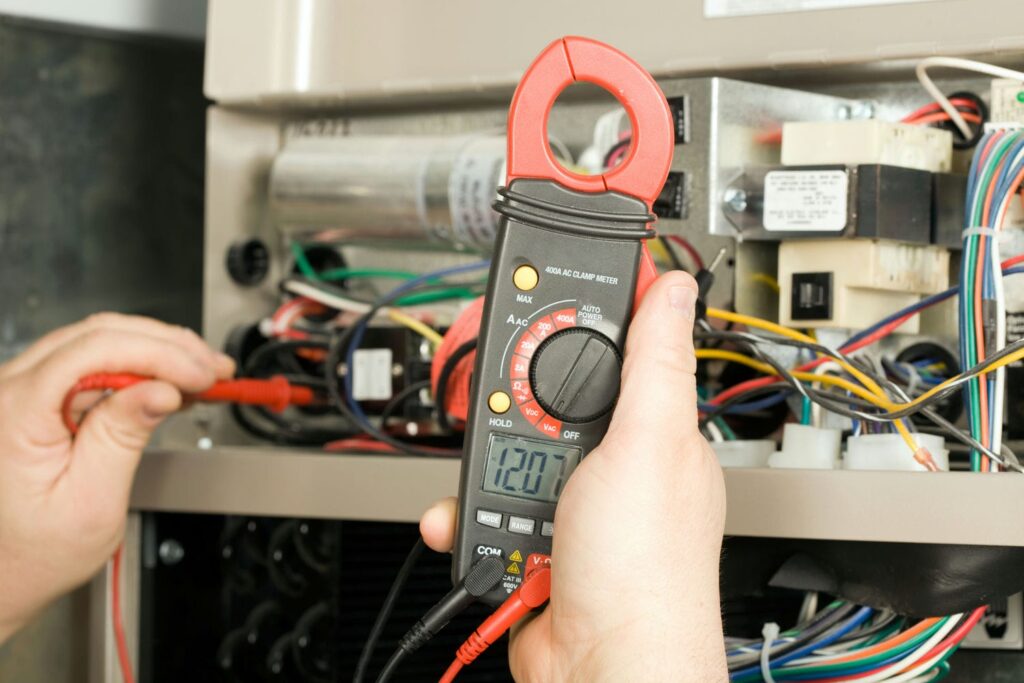
A good diagnosis answers one question: what is the bottleneck. Is it heat production, airflow delivery, control behaviour, or heat loss? Once you know that, the fix becomes obvious.
We do not start with parts swapping. We start with what the system is doing under load.
What We Measure To Find The Real Bottleneck
A proper visit confirms the furnace is producing heat and sustaining it through a full cycle. It checks for signs of airflow restriction and safety trips. It also reviews fault history and blink codes so we can see patterns that are not obvious during a quick glance.
We also look at distribution reality. If the thermostat area warms but bedrooms lag, duct balance and return air paths matter. If the furnace runs constantly with low comfort, heat loss and delivered airflow become prime suspects.
When you book a furnace repair visit, share the pattern you observed: constant running, short cycling, warm then cold, or airflow with no heat. That detail shortens the diagnosis.
Common Fixes When A Furnace Won’t Hit Setpoint
Sometimes the fix is airflow: filter choice, return restrictions, blower setup, or distribution adjustments. Sometimes the fix is controls: thermostat configuration, schedule strategy, or placement issues. And sometimes it’s a true repair: ignition stability, sensor problems, or safety-related shutdowns that interrupt heat delivery.
The right fix is the one that holds setpoint on a normal winter day, not the one that “works for now.” We aim for stable cycles and predictable comfort.
One good repair beats three guessy ones.
Preventing Setpoint Problems Going Forward
Once you get your home back to steady comfort, prevention keeps it there. Most setpoint problems creep in slowly. Filter loading increases. Returns get blocked. Schedules get more aggressive. Small drafts become big ones.
A few habits keep you out of the “it can’t keep up” zone.
Set Smarter Thermostat Expectations
Avoid aggressive setbacks if you struggle with recovery. A smaller setback can maintain comfort and reduce long recovery runs that stress the system. Keep the fan on Auto unless you have a clear reason to run continuous circulation.
Also, give the system time. Rapid manual changes are a common cause of confusion and discomfort. Stability makes problems easier to spot and easier to solve.
If you want help setting your thermostat strategy for your specific home, we can advise during a diagnostic visit.
Keep Airflow Predictable
Replace filters on a routine, keep return grilles clear, and avoid closing too many vents. Your furnace needs consistent airflow to deliver consistent heat. When airflow varies, heat delivery varies, and the thermostat becomes harder to satisfy.
If you have rooms that always lag, focus on return air paths and door strategy first. Many comfort problems are circulation problems.
Stable airflow equals stable heat.
Get Back To Setpoint Without Guessing
If your home cannot hit setpoint, you do not need a bigger number on the thermostat. You need a clear diagnosis of what’s limiting heat delivery: airflow, controls, heat output, or heat loss. At Local Heating and Cooling, we’ve been in business for over 10 years, we’re an Authorized Lennox Dealer, and we have offices in Kitchener and Waterloo. Our furnace repair technicians measure first and fix the root cause, so you get stable comfort, not a temporary patch.
Frequently Asked Questions
Usually it’s heat loss, airflow restriction, short cycling, or the furnace not delivering stable heat output. Start with thermostat mode, fan Auto, filter condition, and a steady setpoint test. If the pattern is new or persistent, book a diagnosis.
It can happen if the home loses heat faster than the system can deliver it, especially in drafty homes or during very cold, windy nights. It should not be the norm every winter day. A sudden change from “normally fine” to “always behind” is the bigger concern.
It depends on outdoor temperature, insulation, air leakage, and furnace capacity. Instead of chasing a universal number, track change: if recovery time gets noticeably worse than usual, treat it as a signal. Large thermostat jumps often recover slower and can expose marginal performance.
Yes. Restricted airflow reduces delivered heat and can trigger limit trips that interrupt heating. Replace a clogged filter and clear blocked return grilles first. If performance does not improve, the issue may be deeper than airflow.
No. Fan On does not create more heat. It can make the home feel cooler between heat calls and it can hide whether the furnace is heating properly during a call. Use fan Auto while troubleshooting and while trying to recover setpoint.
That usually points to distribution and return-air issues, not furnace output alone. Check vents, door positions, and blocked returns. Long duct runs and closed rooms with poor return paths often lag the most. If the imbalance persists, a technician can assess airflow and balancing.
Yes. Furnace short cycling reduces effective heating time and often signals airflow restriction, a control issue, or an oversized unit.
Call when you’ve done safe checks and the home still cannot reach setpoint, when the pattern is new, or when you see lockouts and blink codes returning quickly. Also stop immediately for gas smell, CO alarms, or electrical burning smells.