

SEER2 is the efficiency rating you will see on most new central air conditioner quotes. The higher the number, the more cooling the system should deliver for each unit of electricity it uses. But the biggest number on the quote is not always the smartest buy, and a good air conditioner installation matters just as much as the rating on the label.
Most homeowners do not want a lab definition. They want to avoid overpaying for efficiency that will not show up in their hydro bill, and avoid buying a cheaper system without knowing what they gave up.
SEER2 helps with that, but only when you look at it alongside sizing, ductwork, and install quality. It also shows up on Canadian paperwork because Natural Resources Canada’s central air conditioner and heat pump regulations use SEER2 and HSPF2 as part of the current rating framework.
The Short Answer: SEER2 Is A Useful Number, Not The Whole Decision
SEER2 is a fair way to compare two current systems on the same scale. A higher rating should mean lower cooling electricity use over the season. What it does not tell you is whether the system is the right size for your home, whether the ductwork can handle it, or whether the installer will set it up properly. All of that can matter more than a point or two on the rating.
SEER Vs. SEER2: Why The Number Changed
The test method for rating central AC systems was updated in 2023, and the results are reported as SEER2 instead of the older SEER. The new numbers come from a tougher test, so they tend to run a little lower than the old ones for the same equipment.
The practical takeaway is simple: compare new quotes against new quotes. If one contractor is talking in old SEER language and another is talking in SEER2, slow the conversation down until both systems are being described on the same basis. A rough conversion or a vague “same thing” explanation is not enough when you are spending several thousand dollars.
What Counts As A “Good” SEER2 Rating In Ontario?
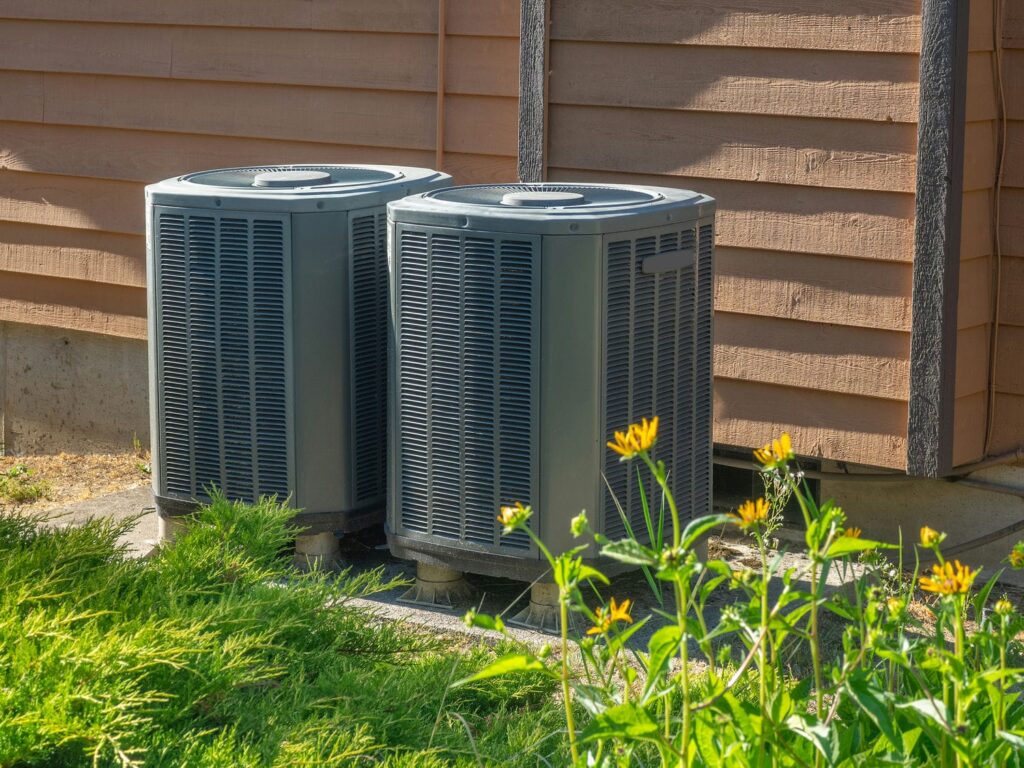
There is no single right answer. A good SEER2 rating depends on how much cooling your home actually needs, how long you plan to stay, and whether the higher-efficiency package also improves comfort in meaningful ways.
Mid-Tier Is Often The Sensible Choice
For many Ontario homes, a mid-tier efficiency option hits the value sweet spot. Summers are warm but not year-round hot, so the payback on a premium system can be slow. If the house is fairly typical and the price gap to the next tier is hard to justify, mid-tier is usually where to start looking.
When Premium Efficiency Earns Its Keep
A premium system makes more sense when you expect to stay in the home a long time, the house runs the AC hard all summer, or the higher-end package includes real comfort upgrades like two-stage or variable-capacity operation. In those cases, the extra cost is buying more than energy savings.
Why Sizing And Installation Matter More Than The Rating
This is the part most buyers underweight. An oversized AC cools the thermostat quickly but leaves the house feeling damp because it shuts off before removing enough humidity. An undersized unit runs constantly and still struggles on the hottest days. Neither problem is solved by picking a higher SEER2 number.
Getting the right size air conditioner for your home is the single most important decision before any efficiency debate. No rating can rescue a unit that is too big or too small for the load.
Matched Systems, Not Just The Outdoor Unit
SEER2 ratings apply to a matched system, not just the outdoor condenser. What you are actually buying is the condenser plus an indoor coil and a furnace or air handler that work together. Ask what indoor equipment is included in the quote, and whether the rating reflects that actual combination. A condenser paired with the wrong coil will not hit the number on the label.
Airflow And Ductwork Can Erase The Gains
If return air is weak, ducts leak, or the refrigerant charge is off, a high-rating system will never deliver what the quote promised. This is where a careful installer is worth more than a fancier condenser. A mid-tier system installed well usually beats a premium system installed poorly.
How To Compare AC Quotes Without Getting Stuck On One Number
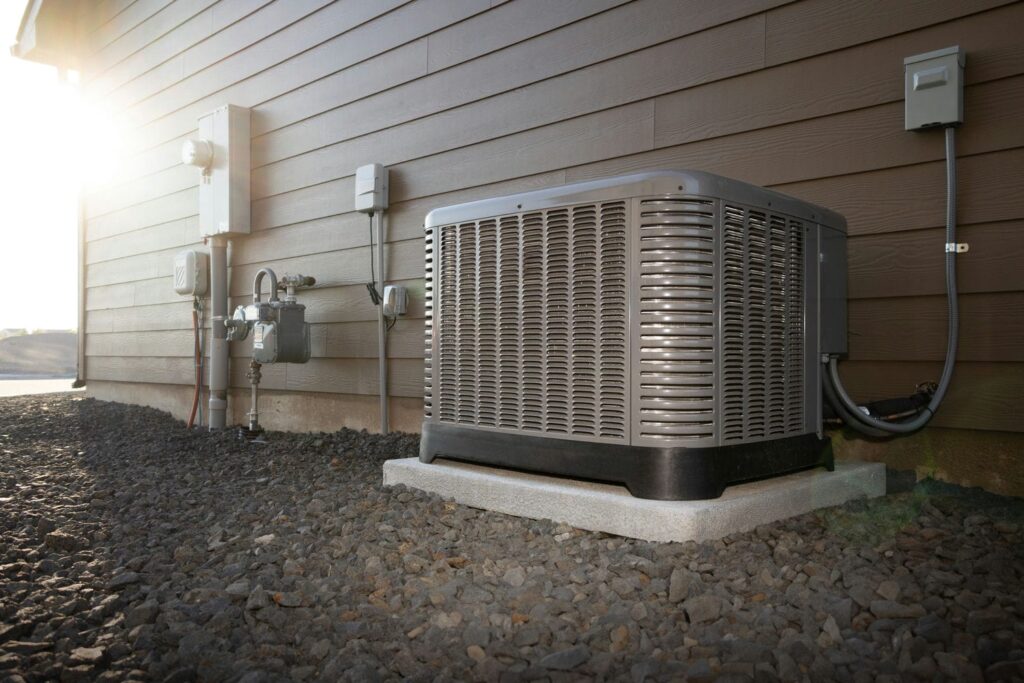
Quote comparisons often go sideways because homeowners end up comparing apples to oranges. One quote is single-stage, another is two-stage, a third includes more duct work. The SEER2 number feels objective, so the whole decision drifts toward whichever quote has the biggest one. That is usually the wrong call.
Compare Like For Like
Make sure you are comparing similar capacity, similar equipment type, and similar indoor matching. Also compare warranty terms, included labour, thermostat, and whether the quote addresses any duct or airflow issues. Those details are part of the system you will actually live with.
Ask About Operating Cost, Not Just The Rating
A bigger number only matters when someone can explain what it changes for your house. Ask what the estimated cooling-cost difference looks like and roughly how long it would take to recover the price jump. That conversation is more useful than staring at the rating.
Understanding air conditioner cost and installation in Ontario also helps you judge whether the price jump for higher efficiency is reasonable against the rest of the installed cost.
Does A Higher SEER2 Mean Better Comfort Or Longer Life?
Sometimes a higher-efficiency system does feel better in the home, but the comfort gain usually comes from the equipment that travels with the package, such as variable-capacity operation or better humidity control, not from the SEER2 number itself.
Lifespan works the same way. Efficiency is not durability. A high-SEER2 system can have a short, frustrating life if it is oversized, installed poorly, or never serviced. A modest system can last well if it is sized and installed properly. Knowing how long a central air conditioner lasts in Ontario helps you weigh whether efficiency gains can actually be recouped before the system needs replacing.
When To Also Compare A Heat Pump
If you are only replacing cooling and the rest of the house is staying put, a straight AC comparison is fine. But if you are thinking about efficiency more broadly, or you are open to changing how the home handles both heating and cooling, a heat pump deserves a side-by-side look. Heat pumps provide both heating and cooling from one system and can be the more efficient choice over the full year.
Comparing heat pump installation in Kitchener-Waterloo against a straight AC replacement is the cleanest way to see whether the broader efficiency play actually fits your home.
Getting A Clear Second Look At Your AC Quote
If two quotes look close but the ratings, staging, or system packages are different, the next smart step is not choosing the bigger number. It is checking fit, efficiency, comfort features, and install quality together. That is the part that protects your money.
We have been serving homeowners for over 10 years, we are an Authorized Lennox Dealer, and we have offices in Kitchener and Waterloo. If you want a clear, practical second look at an AC quote, we can help you compare what matters and strip out what does not.
If you already have quotes in hand, we can help you compare efficiency, equipment match, and installation scope before you commit. Reach out through our air conditioner installation page to see what a proper replacement should include.
Frequently Asked Questions
SEER2 is the seasonal cooling-efficiency rating used on current central air conditioners and heat pumps. A higher number means the system should use less electricity to deliver the same cooling over the season.
No. The test method changed in 2023 and results are now reported as SEER2. The new numbers tend to run a little lower than old SEER numbers for the same equipment, so the two are not directly interchangeable.
A good rating is the one that matches your cooling demand, budget, and ownership horizon. For many Ontario homes, a mid-tier option is the value sweet spot. A premium package is worth it when the home runs hard in summer or the upgraded system also improves comfort meaningfully.
No. It is worth more when cooling demand is high and you plan to stay in the home a long time. It is worth less when the price jump is large or the higher-rated quote does not improve the parts of the system that matter in your house.
Not by itself. Comfort usually improves when the higher-efficiency package also brings better staging, variable-capacity operation, or stronger humidity control. The rating number alone is not a comfort guarantee.
Yes. An oversized system leaves the house feeling damp because it does not run long enough to remove humidity, and an undersized one struggles on the hottest days. Getting the size right matters more than chasing the highest rating.
If you want broader household efficiency and you are open to changing how the home handles heating as well as cooling, yes, a heat pump deserves comparison. If you only want a direct cooling replacement and the rest of the system is staying put, a straight AC comparison may still be the better fit.